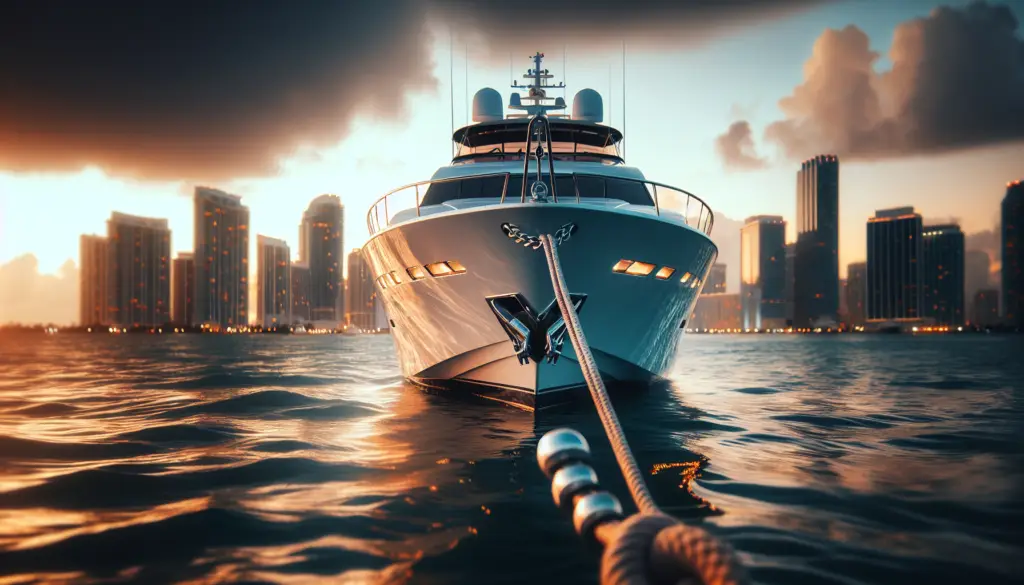
Did you notice how a single breakup sent shockwaves through the Miami yacht scene?
Miami Yacht Scene Spirals After a High Profile Breakup
You’re reading about one of the most talked-about incidents to hit Miami’s waterfront lifestyle in recent memory. The high-profile breakup involved a luxury yacht, social media posts, conflicting claims over ownership and custody, and a cascade of impacts across marinas, charter operators, crew members, insurers, and the broader tourism economy. This article breaks down what happened, why it matters to you, and what practical steps you can take if you’re a yacht owner, charter guest, crew member, marina manager, or simply someone who enjoys Miami’s maritime culture.
What happened: The breakup and immediate fallout
You’ll want to understand the basic facts before getting into the consequences. A highly publicized breakup between prominent individuals triggered a series of events onboard a well-known yacht, including contested access, sensational social posts, and rapid legal maneuvering by multiple parties.
Everything escalated quickly once images, videos, and claims hit social platforms. That social media exposure turned a private dispute into a public spectacle, with journalists, influencers, and local officials all reacting in real time. You witnessed cancellations, heightened security at marinas, and immediate statements from management companies and legal teams.
Timeline of events
A clear timeline helps you see how the situation evolved and which actions followed each trigger. Below is a condensed timeline of key moments from the initial breakup through the ongoing repercussions.
| Date | Event | Impact |
|---|---|---|
| Day 0 | Public breakup announced on social media | Immediate media attention and mixed claims over the yacht’s status |
| Day 1 | Yacht reported at a Miami marina under disputed access | Increased security, presence of legal representatives at dock |
| Day 2 | Charter bookings canceled for nearby weekends | Financial losses for charter operators and marinas |
| Day 3 | Police/maritime authorities contacted for protection | Law enforcement engaged for custody and trespass disputes |
| Day 7 | Insurance companies notified; initial claims filed | Potential for long claims processing and policy scrutiny |
| Week 2 | PR statements from charter company/owner and initial legal filings | Reputation management efforts begin |
| Month 1 | Mediation or court motions initiated for asset custody | Possible temporary injunctions or liens on vessel |
| Month 3+ | Industry-wide policy reviews and operational changes | Long-term shifts in charter screening and marina protocols |
You can use this timeline to anticipate how similar incidents might unfold and where to focus your own preparation.
Who are the stakeholders?
There are many people and organizations affected, and you will want to consider each group’s perspective. Understanding stakeholders helps you see the broader ripple effects beyond the high-profile individuals directly involved.
- Yacht owners: You may own assets that are subject to legal claims or public scrutiny. Your responsibilities and liabilities will be heavily scrutinized.
- Crew: You face operational disruption, potential unpaid wages if charters cancel, and increased pressure to maintain safety and privacy.
- Marinas and port authorities: You’re responsible for security, compliance with local rules, and managing reputational risk for your facility.
- Charter companies: You’ll see booking volatility, potential contractual disputes, and operational headaches.
- Insurers: You must assess risk exposure and claims while considering future premium adjustments for similar vessels or clients.
- Local businesses and tourism: Restaurants, hotels, and service providers rely on the yacht trade; you’ll feel the secondary economic impacts.
- Legal and PR teams: You’ll be central to managing claims and public perception.
- Law enforcement and regulators: You must balance private property rights with public safety and legal obligations.
You should consider which stakeholder role applies to you and act accordingly to protect your interests and responsibilities.
Legal and regulatory implications
You’ll find that maritime and domestic law intersect heavily in these disputes. Legal outcomes depend on contracts, registrations, and local statutes, and you should be prepared for complex solutions.
Rights of access and custody often boil down to registered ownership and charter or mooring agreements. If the vessel is registered to one person and another claims access rights through a relationship or verbal agreement, courts will examine the documentation closely. Liens, emancipation claims, or temporary restraining orders can be placed on vessels if disputes escalate.
Additionally, you must consider criminal versus civil concerns. If accusations include harassment, trespass, or unlawful boarding, law enforcement may act under local criminal statutes. Civil litigation can address ownership, damages, and contractual breaches. You’ll also need to think about privacy and defamation claims if public posts include false allegations.
Finally, regulatory compliance remains critical. Vessels operating in U.S. waters must satisfy Coast Guard safety standards, licensing, and immigration rules for crew if they’re foreign nationals. You should expect increased scrutiny from authorities following any high-profile incident.
Economic impact on the Miami yachting industry
You’ll notice financial effects at multiple levels, from direct losses to longer-term market shifts. Miami’s yachting ecosystem is interconnected: cancellation of charters means reduced revenue for vessel operators, marinas lose daily docking fees, and local tourism spending drops.
Short-term measurable impacts include canceled bookings, reduced event attendance, and lower dockage utilization during the controversy. Longer-term impacts can include increased insurance premiums, stricter contract clauses, and a possible dip in international clientele seeking privacy. Many businesses in the supply chain—crews, maintenance yards, provisioning services—feel immediate consequences.
Below is an illustrative comparison of typical financial metrics before and after a major scandal for a mid-size marina and a popular charter company.
| Metric | Before Incident (Monthly Average) | After Incident (First Month) | Notes |
|---|---|---|---|
| Dockage revenue | $150,000 | $100,000 | Decline due to cancellations and temporary closures |
| Charter bookings | 40 trips | 18 trips | Many high-revenue weekend charters canceled |
| Crew payrolls | $40,000 | $34,000 | Reduced hours and lost tips |
| Provisioning orders | $25,000 | $12,500 | Fewer charters mean lower supply demand |
| PR/legal costs | $2,000 | $50,000+ | Immediate surge in crisis management expense |
You should understand that initial losses tend to concentrate in the first several weeks, while reputational damage can cause lingering decreases in demand.

Social media and reputation management
You’re likely following the story on social platforms, which have magnified the fallout. Social media turns private disputes into public narratives, and sentiment can swing quickly. If you’re a yacht owner, charter operator, or crew member, managing your public image becomes essential.
Rapid, transparent communication can help you control misinformation. You’ll want to prepare short, factual statements that protect privacy while addressing safety and operational updates. Avoid emotional language in public posts and coordinate with legal counsel before making assertions about disputed claims.
Influencer activity and viral posts can both amplify and distort the truth. You should monitor mentions and track hashtags closely to understand the evolving narrative. Paid responses or suppression tactics are rarely effective; a well-crafted crisis communications plan focused on facts and safety performs better for long-term reputation repair.
Security and safety responses
You will need to think differently about security after seeing how quickly incidents can escalate. Many marinas and yacht operators are boosting physical and digital security to protect clients and assets.
Physical measures include more robust gate access controls, increased security staff, and restrictions on shore-side visiting hours for sensitive vessels. You should also consider escalation plans that involve local law enforcement and private security providers.
On the technology side, you can increase monitoring through AIS (Automatic Identification System) settings changes, secure transponder usage, and privacy services that mask vessel movements where legally permitted. Cybersecurity is also important: you must secure booking systems, crew communications, and any personal data to avoid leaks that could escalate a dispute.
Crew training is essential. You will want your crew to follow clear protocols for access, guest behavior, conflict de-escalation, and emergency reporting. Regular drills and an incident response checklist reduce confusion and legal exposure when things go wrong.
Impact on marina operations and city services
The municipal and marina response can determine how smoothly an incident is managed. You’ll notice increased coordination between marina management, local police, and port authorities after a high-profile case.
Marinas may temporarily restrict access to certain berths, increase security screenings, or require additional documentation for guests when vessels are involved in disputes. City services such as police marine units and harbor patrols often provide extra presence, and the public-facing response can affect tourism perception.
Operationally, you’ll need to update access policies, ensure emergency contacts are current, and clarify liability and insurance coverage for marina-held facilities. You may also want to negotiate temporary holding or lien procedures in marina contracts to protect your operation in the event of legal claims on a vessel.
What this means for charter guests and yacht owners
Whether you charter regularly or own a vessel, you’ll want practical takeaways. Your contracts, expectations, and personal safety should be re-evaluated to account for higher public visibility and potential disputes.
For charter guests:
- Expect stricter identity verification and pre-screening for high-profile vessels.
- Be aware of cancellation policies that may activate when incidents arise.
- Keep personal behavior discreet and avoid making provocative public posts about onboard events.
For yacht owners:
- Maintain clear, up-to-date documentation of ownership, title, and any co-ownership agreements.
- Establish written guest policies and charter contracts that define dispute resolution and privacy protections.
- Invest in a legal and PR retainer that can be activated quickly if needed.
You need to protect both your legal rights and your reputation. Documentation and pre-planning significantly reduce your risk and exposure.
Media coverage and public perception
You’ll see that how media frames the story influences public perception for months. Sensational headlines attract clicks but can obscure legal details and facts. If you’re involved directly, you’ll be vulnerable to misinterpretation in the press.
Good media relations practices include designating a single spokesperson, providing concise factual updates, and refusing to inundate reporters with unverified claims. You should also be prepared for intrusive reporting tactics and have a plan to protect crew and private individuals from harassment.
For the general public, confirm facts before sharing. The spread of unverified footage and claims can harm innocent parties and complicate legal solutions. If you’re a business, avoiding speculative comments and focusing on safety and compliance reinforces trust.
Lessons learned and best practices
You’ll benefit from a set of practical lessons that many stakeholders have adopted after the incident. These best practices help you reduce the chance that your vessel or business becomes entangled in similar controversies.
- Keep complete legal documentation and register your vessel properly.
- Create and maintain a crisis response plan that addresses legal, PR, and operational needs.
- Train crew in both safety and privacy protocols; they are your first line of defense.
- Use contractual clauses that clearly define guest behavior, cancellation policies, and dispute resolution.
- Maintain strong relationships with local law enforcement and marina management.
- Invest in insurance products that cover reputational and loss-of-income scenarios where available.
You should consider employing these practices proactively rather than waiting for a dispute to occur.
Scenario planning and future outlook
You’ll want to anticipate how the Miami yachting scene may change after this event. Several plausible shifts could shape the industry in the coming months and years.
- Stricter pre-screening and identity checks for charter guests, especially those booking high-profile vessels.
- Increased demand for privacy services and legal retainers among owners.
- Potential tightening of marina policies on guest access and security protocols.
- Insurance market tightening for vessels associated with public figures or high-risk activities.
- An uptick in public sensitization campaigns about respecting privacy and maritime law.
You should prepare for these developments by aligning your operations, contracts, and communications to mitigate new risks and capture any market opportunities that arise from improved safety and privacy offerings.
Practical checklist: If you’re a yacht owner, operator, or charter guest
Below is a quick-reference checklist you can use to safeguard your interests. You’ll want to tailor each item to your situation and consult legal counsel for complex issues.
| Role | Immediate Actions | Follow-up Actions |
|---|---|---|
| Yacht Owner | Secure title docs and update registration details; notify insurer | Review guest policy, PR plan, and legal representation |
| Charter Operator | Pause bookings if needed; notify clients and crew | Update contracts, pre-screening, and staff training |
| Crew Member | Follow captain’s directions; document incidents | Participate in post-incident debrief and training |
| Marina Manager | Enhance access controls for affected berth | Coordinate with law enforcement and review contracts |
| Charter Guest | Comply with onboard policies; respect privacy | Request written clarifications on cancellation/refund terms |
You’ll find that a checklist like this reduces uncertainty and speeds up decision-making during crises.
How you should respond if you’re directly involved
If you’re in the middle of an incident like this, your immediate responses can significantly influence outcomes. You’ll want calm, methodical action.
- Protect safety first: ensure all people on board are safe and accounted for. Your primary responsibility is health and safety.
- Secure documentation: gather ownership papers, charter agreements, and guest lists to provide to legal counsel.
- Limit public statements: issue brief factual updates and direct media inquiries to your appointed spokesperson.
- Notify insurers: report the incident as required to protect coverage.
- Engage legal counsel: prioritize lawyers with maritime and privacy experience.
- Preserve evidence: save communications, social posts, and any footage that may be relevant to future claims.
- Coordinate with marina and authorities: follow lawful instructions and keep records of all official interactions.
You’ll minimize legal exposure and reputational harm by following these measured steps.
Legal clauses and contract adjustments you should consider
You’ll want to ensure your contracts reflect lessons learned from this incident. Adding specific clauses can prevent many disputes from escalating.
- Clear guest codes of conduct with defined consequences for breaches.
- Mandatory pre-charter ID and background checks for high-profile bookings.
- Force majeure and cancellation provisions that address reputational events and public safety orders.
- Confidentiality and non-disparagement clauses to protect all parties.
- Dispute resolution mechanisms, including mediation and arbitration, to avoid protracted public litigation.
- Insurance requirement clauses for charter guests or events hosted onboard.
You should work with experienced maritime attorneys to incorporate these clauses correctly into your contracts.
Insurance considerations and claims handling
You’ll find that insurers pay close attention to these incidents and may adjust terms or pricing accordingly. Early notification and cooperation are essential for a smooth claims process.
Discuss with your insurer about coverage for:
- Loss of income from canceled charters.
- Property damage or theft.
- Liability claims arising from incidents onboard.
- Reputational harm clauses where available.
Preserve all receipts, communications, and incident reports to support claims. You should also document steps taken to mitigate loss, such as cancellations, increased security, or PR actions, as insurers may look favorably on proactive risk management.
Crew welfare and employment issues
If you’re a crew member, your livelihood and wellbeing are at stake during such controversies. Ensuring fair treatment and clear communication is vital.
You should receive clarity from your employer about pay during canceled charters, potential schedule changes, and expectations regarding media interactions. Consider confidential channels for reporting harassment or threats. Employers should support mental health and legal advice for crew who may face public scrutiny.
For employers, protecting crew privacy and ensuring they’re not made scapegoats in public narratives is both ethical and practical. Clear internal policies and external support will help retain good crew and preserve operations.
Policy and regulatory changes the city may consider
You’ll likely see municipal and state authorities evaluate new measures to manage similar incidents more effectively. Possible changes include enhanced reporting requirements for high-value or high-profile vessels, stricter ID checks at marinas, and clearer guidelines for law enforcement intervention in private disputes.
As a stakeholder, you should engage with local maritime associations to voice concerns and help shape balanced policy that protects privacy, safety, and commerce.
How to manage long-term reputational recovery
If your brand or vessel has been affected, you’ll need a long-term strategy to restore trust. Immediate PR statements are only the beginning; sustained, consistent actions matter most.
- Reaffirm commitments to safety, privacy, and compliance through clear policies.
- Showcase positive community involvement or charitable efforts to balance public perception.
- Offer transparency on changes made and lessons learned, without disclosing confidential legal matters.
- Conduct follow-up outreach to former clients and partners to repair relationships.
You’ll see that slow, steady efforts to demonstrate accountability and competence will rebuild reputation better than reactive or defensive tactics.
Resource list and contacts
You’ll find the following categories useful as initial resources to call on during and after such incidents. Contact specifics will vary, so replace placeholders with local numbers or trusted advisors.
| Resource Type | Who to Contact | Why |
|---|---|---|
| Maritime attorney | Specialized maritime/civil litigator | For ownership disputes, injunctions, and litigation |
| PR firm | Crisis communications specialist | To manage public statements and media relations |
| Insurance broker | Yacht insurance specialist | For quick claims guidance and policy interpretation |
| Marina manager | Local marina authority | For access control, berthing, and operational directives |
| Law enforcement | Harbor patrol / police marine unit | For safety, trespass, and criminal allegations |
| Industry association | Local yachting association | For policy updates, best practices, and support |
You should keep updated contact information for these resources in advance rather than scrambling when an incident happens.
Final takeaways
You’ve just reviewed how a single high-profile breakup can cascade into legal battles, economic losses, and reputational damage in Miami’s yacht community. The key lessons are straightforward: prepare documentation, prioritize safety, secure legal and PR support, and update operational practices to protect both assets and people.
If you’re involved in the yachting world, use this moment to review your contracts, train your crew, and strengthen relationships with marinas and insurers. If you’re a guest or a member of the public, be mindful that sensational media can mask legal realities and personal consequences.
You can reduce risk by planning ahead, communicating carefully, and maintaining professionalism at every step. That approach will help you weather controversies and keep your focus on what matters most: safety, legality, and the long-term health of Miami’s maritime community.