Have you noticed how Venezuelan culture lights up Miami’s neighborhoods with music, food, and community spirit?
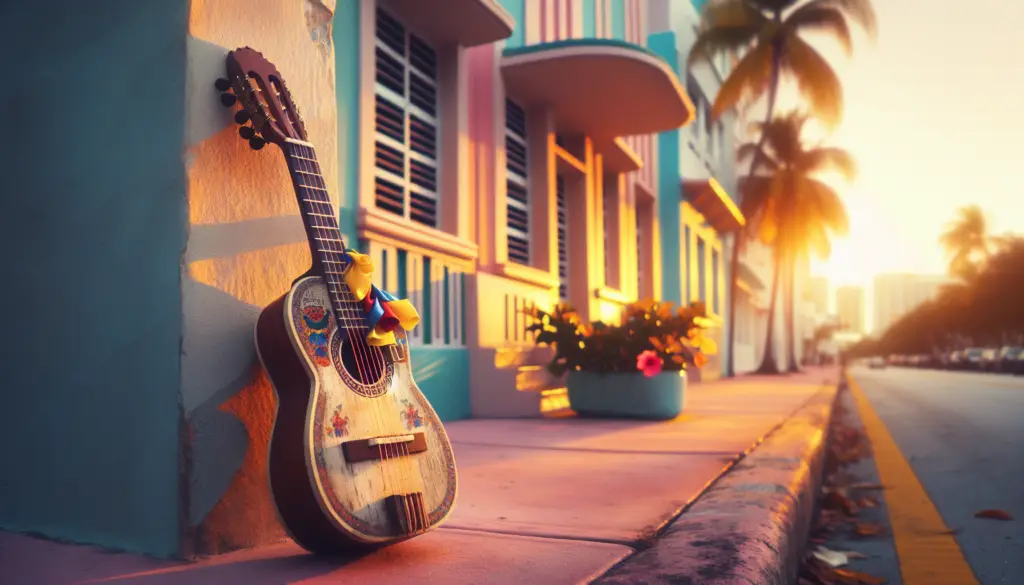
Venezuelans Celebrate Culture and Community in Miami
You’re reading about a vibrant scene where Venezuelans in Miami gather to celebrate their heritage, share traditions, and build community. This article shows how cultural expression and community involvement shape life for Venezuelans and for the city at large.
Overview: A Community That Shapes the City
You’ll learn about the many ways Venezuelan culture contributes to Miami’s social, economic, and cultural life. From festivals to small businesses, Venezuelan Miamians bring traditions that influence food, music, arts, and civic life.
Venezuelan presence in Miami is visible across neighborhoods, and you can see their influence in local events, markets, and even political activism. The community includes long-term residents, recent arrivals, families, students, artists, and entrepreneurs.
A Brief History of Venezuelan Migration to Miami
You might wonder when and why Venezuelans began settling in Miami in significant numbers. Migration increased especially in the late 20th and early 21st centuries due to economic and political changes in Venezuela.
As you look back, you’ll find multiple waves of migration — from professionals and businesspeople in earlier decades to larger flows of families and young professionals in recent years. You can trace community institutions that grew as Venezuelans established churches, cultural centers, and businesses.
Waves of Migration
You’ll notice at least three major migration periods: economic migration in the 1970s and 1980s, political and economic migration in the 1990s and 2000s, and the large-scale departures since the 2010s. Each wave brings different demographic profiles and levels of integration.
These waves have combined to form a multi-generational community with ties to both Venezuela and Miami, maintaining cultural traditions while adopting local practices.
Where Venezuelans Live in Miami
You’ll find large concentrations of Venezuelan residents in areas like Doral, West Miami, Kendall, Aventura, and parts of Miami Beach and Coral Gables. You’ll also find pockets of the community spread throughout the greater Miami metropolitan area.
Neighborhood choices are influenced by factors such as proximity to jobs, schools, religious institutions, and social networks that provide support for newcomers.
Cultural Festivals and Community Events
You’ll have many opportunities to attend cultural events that celebrate Venezuelan traditions. Festivals, parades, and community parties are common and vary in scale from neighborhood gatherings to citywide events.
Events often combine music, dance, food, and art. They serve as social hubs where you can meet community leaders, artists, and families celebrating Venezuelan culture.
Major Annual Festivals
You can attend events that highlight Venezuelan music, food, and dance. Some festivals are hosted by cultural organizations, while others are part of broader multicultural celebrations in Miami.
These festivals provide spaces for cultural preservation as well as for showcasing modern Venezuelan creativity.
Table: Major Venezuelan Cultural Events in Miami
| Event Name | Typical Time of Year | Main Features | Where to Find More Info |
|---|---|---|---|
| Venezuelan Independence Day Celebrations | Early July (around July 5) | Parades, flag ceremonies, speeches, music | Local Venezuelan associations and consulate announcements |
| Arepa and Food Festivals | Spring to Summer (varies) | Food stalls, cooking demos, tastings, vendors | Community event pages and food festival listings |
| Cultural Heritage Nights | Year-round (monthly events) | Music, poetry readings, dance performances | Cultural centers and local universities |
| Local Community Street Festivals | Year-round | Family activities, vendors, local artists | Neighborhood associations and social media groups |
Smaller Gatherings and Religious Celebrations
You’ll often find Venezuelan religious observances and neighborhood fêtes that gather families and friends. Churches and community centers host Masses, processions, and feast day celebrations.
These gatherings reinforce social ties and allow you to participate in intimate cultural practices like shared meals, traditional prayers, and folk performances.
Food and Culinary Scene
You’ll quickly discover that Venezuelan cuisine has a strong presence in Miami. Restaurants, food trucks, bakeries, and home-based cooks bring flavors that range from street food to refined dining.
Food is a primary vehicle for cultural exchange; through it, you can learn about regional specialties, family recipes, and local adaptations influenced by Miami’s multicultural environment.
Iconic Venezuelan Dishes You Should Try
You’ll want to sample classic dishes such as arepas, pabellón criollo, tequeños, and empanadas. Each dish brings a different region’s flavors and cooking traditions.
Below is a useful table describing key dishes and what to expect when you try them.
Table: Popular Venezuelan Foods and Descriptions
| Dish | What It Is | Typical Ingredients | Where to Find in Miami |
|---|---|---|---|
| Arepa | Cornmeal flatbread, grilled or fried | Pre-cooked cornmeal (masarepa), fillings like cheese, shredded beef, black beans | Areperas, food trucks, cafes |
| Pabellón Criollo | Venezuela’s national dish | Shredded beef, black beans, rice, fried plantains | Traditional Venezuelan restaurants |
| Tequeños | Cheese-filled fried dough sticks | Dough wrapped around white cheese, fried | Bakeries, parties, appetizers at restaurants |
| Hallacas | Tamale-like holiday dish | Corn dough, stewed filling with meats, raisins, wrapped in plantain leaves | Seasonal bakeries and homes (Christmas) |
| Cachapas | Sweet corn pancake | Fresh corn batter, cheese (queso de mano) | Street vendors, breakfast spots |
| Empanadas | Fried or baked turnovers | Corn or wheat dough with various fillings | Bakeries, food stands |
Where to Eat and What to Expect
You’ll find a range of dining experiences from casual arepa spots to upscale restaurants presenting modern Venezuelan cuisine. Many establishments offer family-style dining and takeout options for gatherings.
Look for bakeries that specialize in tequeños and hallacas during holiday seasons, and for food markets where several vendors share a space — these are great for trying multiple dishes at once.
Music, Dance, and Performing Arts
You’ll notice Venezuelan music and dance in both traditional and contemporary forms across Miami’s venues. Styles include joropo, salsa-influenced sounds, pop, and fusion genres.
Music is present in community centers, concert halls, salsa clubs, and small bars where artists perform live for local audiences.
Traditional and Popular Music
You’ll hear joropo, a traditional Venezuelan folk music, as well as vallenato-influenced rhythms and regional folk styles. Many Venezuelan musicians adapt these traditions into popular, modern forms.
These performances often involve live instruments such as cuatro, harp, maracas, and guitar, alongside percussion and brass for more contemporary ensembles.
Dance and Performance Communities
You’ll find dance schools teaching joropo, salsa, merengue, and other Latin dances. Community dance nights and cultural performances give you the chance to watch or participate.
Dance also appears at festivals and private events where families gather to celebrate birthdays, weddings, and other milestones.
Arts, Literature, and Creative Expression
You’ll discover Venezuelan artists and writers who contribute to Miami’s creative scene. Galleries feature visual art, while literary readings bring Venezuelan voices to public stages.
Artistic production often addresses themes of identity, migration, memory, and resilience, giving you insight into personal and collective narratives.
Visual Arts and Exhibitions
You’ll find exhibitions that showcase contemporary Venezuelan painters, sculptors, and multimedia artists. Galleries and pop-up shows in cultural hubs provide platforms for emerging talent.
Artists often combine traditional motifs with modern techniques to reflect migration experiences and cultural heritage.
Literature, Poetry, and Storytelling
You’ll attend readings where Venezuelan poets and authors present work about exile, nostalgia, and hope. These events strengthen community bonds and foster cultural continuity.
Writers may collaborate with university programs or community literary circles that focus on Latin American and Caribbean literature.
Religious and Community Organizations
You’ll see that churches, community centers, and social groups are central to Venezuelan life in Miami. They provide spiritual support, social services, and cultural programs.
These organizations often help newcomers with resources, legal information, and networking, making them crucial for integration and mutual aid.
Churches and Spiritual Life
You’ll find Catholic parishes and evangelical congregations that provide religious services in Spanish and host culturally specific celebrations. Religious holidays and customs are important community anchors.
Churches also offer social programs like food drives, language classes, and counseling, which benefit both Venezuelans and the broader community.
Community Centers and Nonprofits
You’ll notice grassroots organizations focused on immigrant rights, cultural preservation, and mutual aid. These groups organize events, workshops, and aid services.
Many nonprofits work with local government and philanthropic partners to support job training, legal clinics, and health outreach.
Table: Example Community Resources
| Organization Type | Services Offered | How It Helps You |
|---|---|---|
| Cultural Center | Performances, language classes, events | Learn traditions, meet community members |
| Legal Aid Clinic | Immigration consultations, referrals | Understand legal options and processes |
| Food Pantry / Mutual Aid | Food distribution, emergency assistance | Receive immediate household support |
| Business Association | Networking, workshops, microloan info | Start or grow your business in Miami |
Political and Civic Engagement
You’ll see Venezuelans actively involved in Miami’s civic life, advocating for human rights, democracy in Venezuela, and local community interests. Political engagement ranges from protests to voter mobilization.
Many Venezuelan-Americans participate in advocacy that addresses both international issues and local policies affecting immigrants.
Advocacy and Activism
You’ll encounter rallies and organized campaigns focused on Venezuela’s political situation and humanitarian crises. These actions often involve coalitions with other Latin American groups.
At the local level, Venezuelan activists work to influence policy on immigration, education, and social services that affect immigrant families.
Voting and Local Politics
You’ll find Venezuelan-Americans increasingly participating in local elections and civic processes. Engagement includes voter registration drives, civic education, and running for local office.
Their participation shapes local policymaking and helps amplify the needs of immigrant communities within municipal governments.
Businesses, Entrepreneurship, and Economic Contributions
You’ll recognize that Venezuelan entrepreneurs have created a wide range of businesses in Miami. From restaurants to professional services, Venezuelans contribute to the city’s economic fabric.
Business networks help newcomers find employment and mentorship, and they foster cross-cultural commerce and innovation.
Types of Businesses
You’ll find restaurants, bakeries, catering services, beauty salons, import-export firms, and professional practices like law and accounting. Many businesses cater to both the Venezuelan community and the broader Miami market.
These enterprises often start as family businesses and grow into neighborhood mainstays employing locals and attracting customers from beyond the community.
Small Business Resources
You’ll benefit from community business associations that provide workshops on licensing, marketing, and financing. Microloan programs and mentorship initiatives help startups take root.
The presence of Venetian-owned businesses strengthens local economies and creates jobs that help new arrivals stabilize financially.
Integration, Identity, and Multigenerational Life
You’ll notice how identity evolves across generations. First-generation immigrants may emphasize traditions and language, while subsequent generations blend Venezuelan customs with American cultural practices.
Identity is dynamic and expressed through food, language, religion, and civic participation. Families negotiate heritage in ways that shape future cultural transmission.
Language and Education
You’ll often encounter bilingual households where Spanish and English coexist. You might see children growing up fluent in both languages, which offers cognitive and cultural advantages.
Schools, after-school programs, and community groups help maintain Spanish-language skills while supporting academic success in English.
Maintaining Traditions Across Generations
You’ll attend family gatherings where traditional recipes and rituals are taught to younger members. These practices preserve cultural continuity even as families adapt to American life.
Youth programs and cultural classes help younger generations connect to their roots through dance, music, and storytelling.
Challenges Facing the Community
You’ll understand that the Venezuelan community, like many immigrant groups, faces challenges including legal status uncertainty, economic hurdles, and access to healthcare and education.
Addressing these challenges often requires coordinated efforts among nonprofits, community leaders, and local government.
Legal and Immigration Issues
You’ll see many families dealing with complex immigration processes and seeking assistance with visas, asylum claims, or temporary protected status. Legal services are a critical resource.
Community organizations frequently organize legal clinics and informational sessions to help you navigate these systems.
Economic Hardships and Employment
You’ll notice that newcomers may face underemployment or credential recognition issues. Professionals who were established in Venezuela often must retrain or attain local certification.
Job training programs and credential evaluation services can help you transition into roles that match your skills.
Mental Health and Social Support
You’ll find that migration-related stress, family separation, and traumatic experiences can affect mental health. Community-based mental health services and peer support groups are important.
Access to culturally competent counseling and group therapy helps build resilience and community solidarity.
Contributions and Cultural Impact
You’ll appreciate how Venezuelan music, cuisine, entrepreneurship, and civic engagement enrich Miami. The community’s cultural offerings strengthen Miami’s identity as an international, multicultural city.
Contributions aren’t only cultural; Venezuelans add to Miami’s economy through businesses, jobs, and professional expertise.
Artistic and Cultural Influence
You’ll see Venezuelan artists exhibit their work, and musicians influence the local soundscape. Food and festivals add to Miami’s reputation as a culinary destination.
These cultural contributions also foster cross-cultural dialogues and collaborations with other Latin American communities.
Economic and Social Contributions
You’ll notice Venezuelan business owners investing locally and employing residents. Civic activism contributes to broader social movements for democracy and human rights.
Collectively, Venezuelans help make Miami a more vibrant and resilient city.
How You Can Participate and Support the Community
You can attend events, patronize Venezuelan businesses, volunteer with community organizations, or support advocacy efforts. Your involvement helps sustain cultural institutions and provides meaningful support.
Volunteering and donating to reputable local organizations are practical ways to contribute.
Practical Ways to Get Involved
You can join cultural events, take language classes, buy from Venezuelan bakeries and restaurants, and attend concerts and art shows. Volunteer roles range from mentoring to event organization.
When you participate, you help amplify Venezuelan voices and build cross-cultural understanding within the city.
Supporting Newcomers
You can support newcomers by donating to mutual aid groups, offering mentorship, or volunteering at legal clinics and English-language programs. These actions make a real difference in people’s lives.
Sustained support and respectful engagement help newcomers navigate challenges and integrate into Miami’s social fabric.
Table: Ways You Can Support Venezuelan Community Efforts
| Action | How You Can Do It | Benefits |
|---|---|---|
| Attend cultural events | Buy tickets for festivals, concerts, or gallery shows | Direct financial and moral support to artists and organizers |
| Patronize businesses | Eat at restaurants, buy baked goods, hire services | Strengthens small businesses and local economy |
| Volunteer | Help at food pantries, language classes, or legal clinics | Builds community capacity and helps newcomers |
| Donate | Give to vetted nonprofits and mutual aid groups | Provides resources for emergency and ongoing needs |
| Advocate | Raise awareness, support policies for immigrant rights | Helps create systemic change and support |
Calendar of Recurring Events and Cultural Highlights
You can plan your year around recurring events that celebrate Venezuelan heritage. Knowing when festivals and market days occur helps you participate actively.
Below is a sample calendar showing typical times of cultural activities. Exact dates vary year to year, so check local listings and organization announcements.
Table: Seasonal Cultural Activities
| Season | Typical Events | What to Expect |
|---|---|---|
| Winter (Nov–Feb) | Holiday gatherings, hallacas sales, community fundraisers | Family-oriented events and seasonal foods |
| Spring (Mar–May) | Food festivals, cultural nights, art shows | Outdoor festivals and culinary showcases |
| Summer (Jun–Aug) | Independence Day celebrations, street fairs | Parades, music, and civic events |
| Fall (Sep–Oct) | School and university cultural programs, concerts | Performances and educational events |
Resources and Organizations to Contact
You’ll want to connect with organizations that offer support, cultural programming, and information. Below is a list of typical types of organizations and how they help.
Table: Types of Local Resources and What They Do
| Resource Type | Examples of Services | Why You’d Reach Out |
|---|---|---|
| Cultural Associations | Event planning, cultural education | To participate in festivals or learn traditions |
| Legal Aid Clinics | Immigration counseling, referrals | If you need help with legal status or paperwork |
| Community Health Centers | Mental health, primary care | For accessible healthcare and counseling |
| Business Associations | Training, networking | If you’re starting or growing a business |
| Educational Programs | Language and cultural classes | For bilingual education and cultural preservation |
Contact information changes often, so you’ll get the most up-to-date details from community bulletin boards, social media groups, and local consular postings.
Personal Stories and Community Voices
You’ll find personal narratives powerful for understanding migration’s human side. Stories of resilience, entrepreneurship, art, and family life illustrate how Venezuelans create meaning and community in Miami.
Listening to interviews, attending storytelling events, or reading community blogs can give you firsthand perspectives on challenges and triumphs.
Entrepreneurs and New Businesses
You’ll meet owners who transformed family recipes into thriving businesses, artists who built new audiences, and professionals re-establishing careers. Their stories often highlight persistence, creativity, and community support.
Hearing these stories may inspire you to support local initiatives or begin your own community project.
Youth and Second-Generation Perspectives
You’ll read perspectives from second-generation Venezuelans balancing heritage and American identity. Their experiences demonstrate how traditions adapt and continue through new forms of expression.
These voices often lead cultural programming for younger audiences and bridge generational gaps.
Looking Forward: The Future of Venezuelan Life in Miami
You’ll see that the Venezuelan community’s future in Miami is shaped by ongoing cultural exchange, political engagement, and economic integration. The community will likely keep growing and influencing the city’s identity.
As Miami evolves, Venezuelan cultural institutions and networks will continue to adapt, preserving traditions while contributing to new cultural forms.
Trends to Watch
You’ll notice trends like increased political participation, growth in Venezuelan-owned businesses, and more representation in arts and media. Technology and social media also help culture spread quickly and connect diasporic communities.
These trends suggest a sustained and evolving influence on Miami’s cultural landscape.
How You Can Stay Informed
You can stay informed by following community organizations, subscribing to event newsletters, joining social media groups, and checking local arts calendars. Staying engaged helps you participate respectfully and meaningfully.
Attending events, supporting businesses, and learning about history and culture all contribute to a richer, more inclusive Miami.
Conclusion: A Community You Can Celebrate With
You’ll find that Venezuelans celebrate culture and community in Miami through food, music, art, civic engagement, and entrepreneurship. Their presence enriches the city and offers you many opportunities to connect, learn, and support.
Whether you attend a festival, try a new dish, volunteer, or simply visit a Venezuelan-owned business, your participation strengthens communal bonds and honors the traditions that Venezuelans bring to Miami.