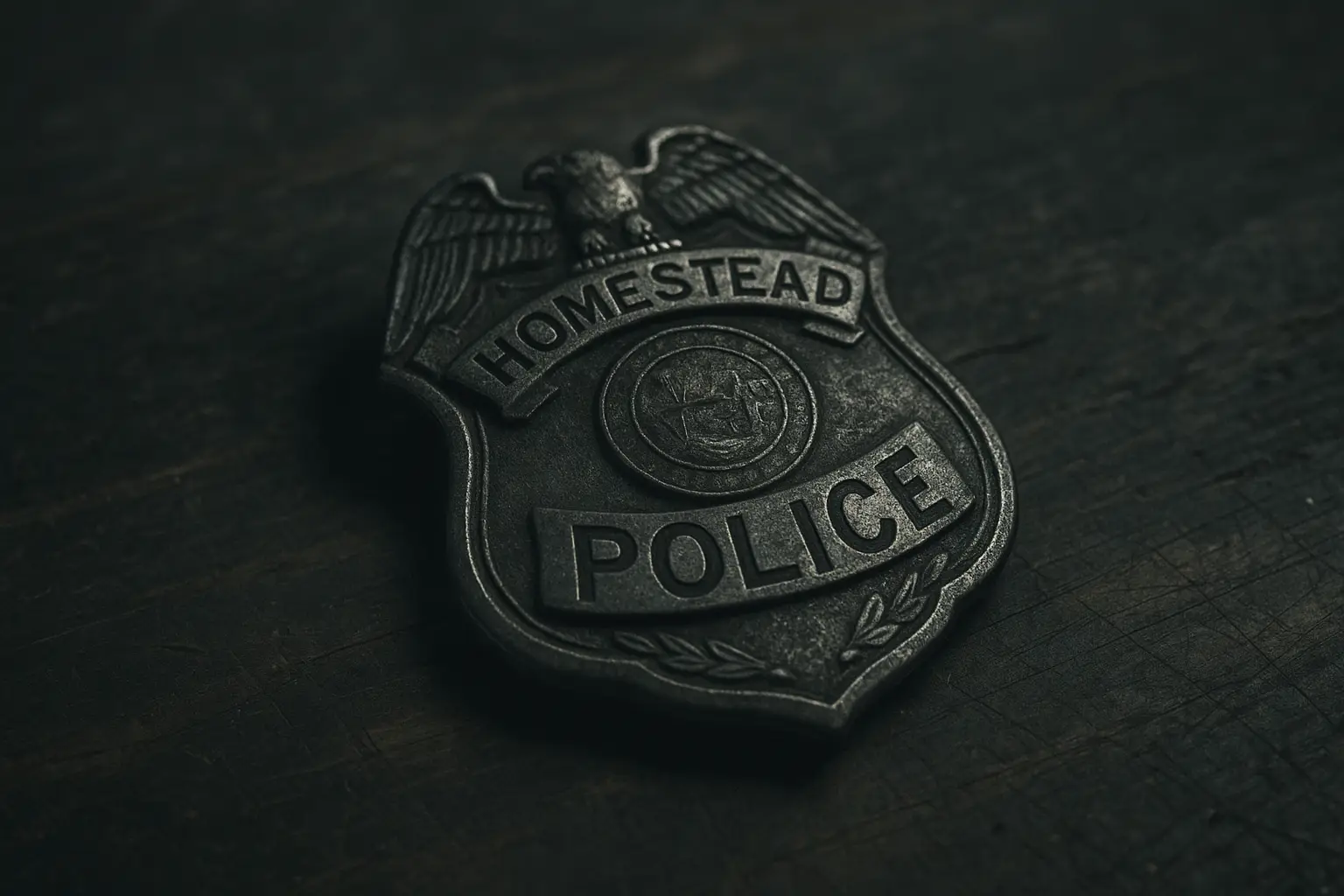
?Can you picture your immaculate Miami suburb becoming the talk of the season because somebody kept a nine-foot alligator in their backyard and allegedly hosted a dog-fighting ring on the side?

Alligator Alley Scandal: How Miami Suburb Society Turned a Gator and a Dog-Fighting Ring into the Season’s Most Delicious Gossip
You might be used to scandal being measured in slipping name-dropping and missing RSVP lists, but this episode raised the bar into criminal territory — and social territory — simultaneously. What began as a law-enforcement investigation became the social season’s most scrumptious narrative, stitched into cocktail conversations and group-chat gossip with relish.
The Bust That Became a Social Season
You hear “bust” and you usually think courtroom drama, not poolside whispers and silk scarf conspiracies. In this case, deputies uncovered an alleged dog-fighting operation and a roughly nine-foot alligator in a Miami suburb — equal parts shocking and bizarre, the kind of story that crowds every lunch table with speculation.
You should picture manicured lawns, palm trees glinting in the Florida sun, and neighbors who pride themselves on being in the know. When law enforcement removed live animals and evidence, the story ricocheted from police blotters to private DMs, and suddenly every carpool lane had an opinion.
What Happened: The Official Narrative
You want facts first; gossip follows. According to deputies and official statements, officers responded to reports of suspicious activity, executed search warrants at one or more properties, and discovered multiple dogs suspected to have been used in fighting, along with a large alligator being kept on private property. Arrests followed, evidence was seized, and animal welfare agencies became involved.
The official timeline can be confusing when society pages rewrite it into scandal. Here’s a clear rundown so you don’t have to rely on cocktail-hour retellings.
| Timeframe | Official Action | What You Heard at Brunch |
|---|---|---|
| Initial tip | Complaint or investigation initiated by deputies | “Someone saw something in the bushes.” |
| Warrant served | Deputies executed search warrants at properties | “SWAT at two estates!” |
| Animals seized | Dogs and a nine-foot alligator recovered | “They found a gator sunning by the pool.” |
| Arrests | Suspects detained on various charges | “The host was cuffed in pearls.” |
| Animal custody | Animals transferred to animal control/rescue/wildlife agency | “The poor creatures were taken to a sanctuary.” |
| Legal proceedings | Charges filed, court dates set | “There will be trials, appeals, and awful press.” |
The Scene: How the Suburb Looked and Felt
You know the kind of suburban tableau that looks plucked from glossy pages: coral paint, palm fronds, and infinity pools glinting like shards of mirror. That setting made the scandal feel cinematic, because crimes that violate the aesthetic boundaries of a community always feel more personal.
Neighbors who usually nod over picket fences suddenly found reason to congregate. Garden clubs turned into informal rumor mills, and your social feed filled with conflicting narratives — some outraged, some amused, and some incredulous that a reptile could be thought of as an accessory.
The Visuals That Sold the Story
You will remember visuals: deputies in short sleeves moving through hedges, alligator-handling crews with heavy gloves, crates of confiscated evidence. Those images are perfect for tabloid-style captions and RSVP-gossip; they invite commentary about taste, judgment, and the absurdities of wealth.
The striking contrast between suburban prettiness and primal cruelty made the story irresistible. It’s easier to talk about outré behavior when it shimmers against a backdrop of curated elegance.
The Players: Animal, Alleged Offenders, Law Enforcement, and the Social Set
You should care about who’s involved because societies love labeling people: villain, victim, social pariah, or tragic eccentric. Here’s a breakdown of the figures who populate this story.
The Alligator: Biology and the Strangeness of Finding One in a Suburb
You might ask how a nine-foot alligator even ends up on a suburban property. Alligators are native to Florida and can travel through canals and waterways into populated areas. A nine-footer is a large adult; adults can reach over 12 feet in extreme cases, but a nine-foot specimen is notable and dangerous.
Alligators are apex reptiles that prefer marshes, rivers, and swamps. When people keep them illegally, it presents a public-safety risk and a conservation problem. You should appreciate that handling such an animal requires licensed professionals and that private ownership without permits commonly violates state wildlife laws.
The Dogs: What Dog-Fighting Rings Typically Look Like
You need to understand dog-fighting patterns so you can recognize red flags. Dog-fighting operations often involve breeding and training dogs for aggression, venues for staged fights, gambling, and a culture of secrecy. Dogs seized from such operations may have injuries, scars, or behavioral trauma and often require long-term rehabilitation.
Dog fighting is not just a cruelty issue; it’s associated with other illegal activities, such as drug trafficking and illicit gambling, which raises concerns about community safety beyond animal welfare.
| Signs of Possible Dog-Fighting Activity | What You Might See at a Property |
|---|---|
| Profiles of dogs with scars or missing ears | Multiple dogs in poor health or with repaired wounds |
| High-value breeding dogs kept in isolation | Kennels that are overly secure and out of view |
| Signs of training equipment | Treadmills, weights, or training pits |
| Frequent short-term visitors at odd hours | Suspicious, short-duration visits and poor transparency |
| Indications of gambling | Large amounts of cash, betting records, or frequent money transfers |
The Alleged Organizers: Profiles and Motives
You will encounter many theories about who organized this operation — some will be accurate, some theatrical. In scandals like this, motives vary: money (betting and breeding), status (trophy dogs and exclusivity), or darker personal compulsions. Sometimes it’s people who live on the fringes of respectability; other times, it’s those who present one face in public and another in private.
From a social angle, allegations alone can be damaging. You should understand that reputation becomes currency — and in the court of public opinion, it’s often exchanged for gossip before the facts are confirmed.
The Social Reaction: Gossip, Status, and the Season’s Chatter
When a story hits that combines cruelty, exotic animals, and possible high-society involvement, you can predict an immediate social reaction. People who monitor the social scene convert facts into narratives that affirm their own position in the social pecking order.
You should be careful: the rapid spread of whispers can harm real people and animals. But you’ll also notice how the scandal becomes an opportunity for the social set to perform values, rebrand themselves, and redefine alliances.
How Gossip Spread: Channels and Rituals
You probably saw it spread through curated channels: private group chats, temple of brunch, exclusive social media groups, and, of course, water-cooler conversations. Each channel amplified different themes — some focused on moral outrage, others on scandalous delight, and some purely on entertainment value.
People also weaponize gossip to exclude rivals, justify social moves, or gain attention. You may find yourself tempted to forward the most sensational take, but consider the cost when lives and livelihoods are at stake.
The Performance of Outrage: Which Came First, Morality or Self-Preservation?
You should notice how curated outrage looks: carefully composed statements, perfectly timed Instagram posts, and strategic distancing from the accused. For some, public indignation serves as a shield; for others, it’s an authentic reaction. The point is that social signaling often ends up shaping the narrative as much as facts do.
Public figures and society hosts often issue statements designed to reassert their brand of morality. That may include denouncing cruelty, supporting animal charities, or more subtly, making sure the world knows they had nothing to do with it.
Legal, Ethical, and Animal Welfare Consequences
You must look beyond gossip into the legal and ethical realm. Dog fighting is a crime, often a felony, with serious penalties. Illegal possession of wildlife, such as a large alligator, also entails significant legal consequences and fines. The welfare of seized animals becomes an urgent logistical and ethical question.
Authorities and rescue organizations must balance public safety, legal evidence preservation, and humane care for animals. That triage is complex, and you should appreciate that outcomes vary based on the animals’ health and behavior.
Laws and Penalties: Florida Statutes and Federal Laws
You want specifics but should note that laws change. Dog fighting is illegal across the United States, typically prosecuted as a felony with penalties that can include imprisonment, fines, and forfeiture of animals. In Florida, both dog fighting and keeping wildlife without a permit are criminal offenses that can lead to arrest.
Here’s a simplified comparative table to help you understand general penalty ranges. Confirm specifics with current state statutes or legal counsel if you need exact figures.
| Offense | Typical Penalties (General) | Who Enforces |
|---|---|---|
| Dog fighting (participation, promotion) | Felony — possible prison time, significant fines, forfeiture of animals | Local police, state prosecutors, federal authorities in some cases |
| Attending/abetting dog fights | Misdemeanor or felony depending on state/federal laws | Local law enforcement |
| Illegal possession of alligator/wildlife | Fines, confiscation, possible misdemeanor/felony charges | Florida Fish and Wildlife Conservation Commission (FWC) and local law enforcement |
| Animal cruelty (abuse, neglect) | Fines, jail time, prohibition on owning animals | Local animal control and prosecutors |
You should remember that, beyond criminal penalties, civil suits and social penalties (ostracism, loss of business) can follow.
What Happens to Seized Animals
You might worry about the animals. Seized dogs often go to shelters, animal-control facilities, or specialized rescue organizations. Each dog receives a medical evaluation and, where possible, behavioral rehabilitation. Sadly, if animals are too injured or aggressive, humane euthanasia may be considered to prevent suffering.
Alligators seized from private property are typically turned over to wildlife officials or licensed facilities. They may be relocated to sanctuaries, zoos, or state-managed habitats when appropriate. You should know that long-term placement for large reptiles is complicated and depends on the animal’s condition, behavior, and available resources.

How You Can Recognize and Report Animal Cruelty
You should feel empowered to act. Recognizing potential animal cruelty or dog-fighting activity can help prevent harm and bring perpetrators to justice. Knowing the right steps to report such activity is essential.
| Step | What You Should Do | Who to Contact |
|---|---|---|
| Observe | Note dates, times, descriptions, and license plates if safe | For evidence, write it down rather than confront suspects |
| Document (safely) | Take photos or videos from a distance if it’s safe and legal | Your documentation can help authorities but never put yourself at risk |
| Report | Call local law enforcement and animal control; in Florida, notify FWC for wildlife | Local police, animal control, FWC (888-404-FWCC in Florida for non-emergent reports) |
| Follow up | Ask for a case number and follow up with agencies | Persistence helps move cases forward |
| Support rescues | Donate or volunteer with local rescue groups | Animal shelters and wildlife rehab centers welcome support |
Always prioritize your safety. You should avoid confronting people in volatile situations and instead rely on trained professionals.
Recognizing Dog-Fighting Activity: Practical Tips
You may wish to be discreet while gathering information. Dog-fighting operations can be secretive and possibly violent if discovered. Watch for unusual patterns: multiple dogs with injuries, specialized equipment, or frequent late-night visitors. If you see dogs being transported in ways that suggest cruelty, document the incident and report it.
Media’s Role: How Stories Become Social Currency
You probably noticed how the press transformed a law-enforcement matter into a cultural moment. Media outlets and influencers can amplify, sanitize, or savage a story, shaping how your community perceives it. Tabloid headlines and social-media posts often prioritize shock and virality over context.
When a social set is involved, the coverage morphs into a morality play. You should be wary of narratives that prioritize scandalous details over factual reporting; they make better headlines than they do justice.
Sensationalism vs. Seriousness
You should ask whether coverage sheds light on systemic issues — such as animal welfare, illegal wildlife trade, and organized crime — or merely amplifies gossip. Sensational headlines may increase clicks, but responsible journalism should highlight facts, long-term consequences, and resources for reform.
You can use your presence on social channels to demand both accountability and accuracy: call out misleading reports, support factual journalism, and amplify educational resources rather than just re-sharing the most lurid posts.
The Aftermath: Trials, Reputations, and Community Healing
You will see legal processes unfold slowly: arraignments, plea deals, and, sometimes, trials that last months or years. Meanwhile, reputations are reshaped in real time. Some people get ostracized, others reinvent themselves as supporters of animal causes, and a few try to salvage their social standing through philanthropy.
You should remember that the justice system and social rehabilitation operate differently. Legal culpability is distinct from social penalty, and both can have long-term consequences for people’s lives.
How Trials and Sentences Unfold
You might expect swift punishment, but the legal system often moves slowly. Investigations, evidence preservation, and prosecutorial discretion mean that timelines can be prolonged. If convicted, defendants may face incarceration, fines, and restitution, and judges sometimes order participation in educational programs or community service related to animal welfare.
You should be patient for facts and cautious about making moral judgments before due process.
Rebuilding Community Trust
You may want to help your community recover. Public forums, educational events, and partnerships between law enforcement and rescue organizations can help. The community will need to address the root causes: lack of awareness, inadequate enforcement, or social dynamics that allowed the behavior to be concealed.
Practical healing starts with transparency, accountability, and resources for affected animals and people.
Long-Term Effects on Community Image and Real Estate
You will notice that sensational incidents can stain a neighborhood’s reputation. Potential buyers, investors, and social clubs care about safety and prestige. A scandal that becomes a meme can influence market perceptions for months or years.
However, recovery is possible. Communities that confront problems directly, invest in education and enforcement, and show compassion often rebound. You should participate in solutions rather than amplifying fear.
How Reputation Management Works
You might see real estate agents and neighborhood associations reframe the narrative: emphasizing safety improvements, stricter vetting of rental properties, or philanthropic initiatives to support animal welfare as part of a brand-renewal campaign.
You should be aware that some efforts are performative. Look for genuine policy changes and measurable outcomes rather than glossy PR.
Opportunities for Reform and Education
You can transform outrage into constructive action. This scandal highlights systemic gaps that you can help close: better education about legal wildlife ownership, stronger reporting mechanisms, and community outreach to prevent dog fighting.
You might consider proposing local workshops about responsible pet ownership, or partnering with wildlife experts to educate residents about native species and legal restrictions.
What Effective Reform Looks Like
You should advocate for policies grounded in practicality: clear local ordinances, adequate funding for animal-control agencies, training for officers on handling wildlife and cruelty cases, and accessible reporting procedures for residents.
Don’t forget prevention: community programs that provide resources to owners (spay/neuter, veterinary assistance) can reduce the chances of pets being exploited.
What You Can Do to Prevent This in Your Community
You want actionable steps, and here they are. Prevention combines observation, empathy, and civic engagement.
- Stay informed about local wildlife laws and animal-cruelty statutes.
- Attend community meetings and bring up concerns about illegal animal ownership or suspicious activities.
- Support local animal-control agencies and humane organizations financially or through volunteer time.
- Encourage neighbors to secure pools, canals, and yards to deter wildlife from being attracted to residential spaces.
- Establish neighborhood watch protocols for reporting potential animal cruelty without confrontation.
You can make a difference by fostering a culture that values transparency and animal welfare.
Volunteer, Donate, Learn
You should consider donating to local rescues that specialize in rehabilitating dogs or housing displaced wildlife. Volunteering gives you firsthand understanding of the challenges these organizations face, and it helps dispel the illusion that solutions are simple or cheap.
Education is key: you can attend seminars on wildlife coexistence and animal-behavior workshops, so your intervention is informed and effective.
Supporting Legislation and Enforcement
You might lobby for clearer penalties and better funding for agencies that investigate animal cruelty and illegal wildlife possession. Connect with advocacy groups, attend council meetings, and support candidates who prioritize enforcement and humane care.
Your voice matters when it’s aimed at structural change rather than mere public shaming.
A Socialite’s Take: How This Scandal Will Be Remembered
You’ll notice the story will mutate into legend. In genteel recollection, some will recount it as “that ghastly gator affair” and others will say it was proof of moral rot. It will be retold with varying degrees of accuracy, each telling revealing more about the teller than the facts.
In a Kevin Kwan-esque view, the scandal is an irresistible mosaic: the absurdity of high-society proximity to primal cruelty, the delicious hypocrisy of curated outrage, and the dramatic irony of immaculate homes harboring illicit activities. You might smirk at the spectacle, but you should also recognize the human and animal cost behind the gossip.
The Social Etiquette After a Scandal
You should be mindful that, after the public dust settles, people affected by the scandal — employees, neighbors, and even family members — will continue living their lives. Compassion does not mean silence about wrongdoing, but it does mean avoiding gratuitous cruelty in your commentary.
You can choose to use the story as a catalyst for positive change rather than as endless entertainment.
Practical Resources and Contacts
If you find yourself compelled to act, here are general types of contacts you can use. Note: the exact phone numbers and agencies vary by jurisdiction; verify local information.
| Concern | Where to Report | Why It Matters |
|---|---|---|
| Immediate danger to people or animals | Call 911 | Response is urgent |
| Animal cruelty or neglect | Local animal control or police non-emergency number | They can investigate and seize animals if necessary |
| Illegal wildlife possession (Florida) | Florida Fish and Wildlife Conservation Commission (FWC) | They specialize in handling and relocating wildlife |
| Rehabilitation and adoption | Local shelters, breed-specific rescues, wildlife sanctuaries | Provide long-term care for animals |
| Legal advice | Consult an attorney experienced in criminal and animal-law matters | For victims or people accused, legal counsel is essential |
Final Thoughts: Beyond Gossip to Action
You might have a guilty pleasure in hearing the juiciest version of events at lunch, but this scandal touches on serious matters: animal cruelty, illegal wildlife trade, and the social dynamics that allow secretive behaviors to fester. As a member of the community, your choices matter: you can fuel rumor or you can fuel reform.
If you choose reform, your tools are simple: stay informed, report responsibly, support professionals who rescue and rehabilitate animals, and push for policies that close loopholes. That way, future seasons of gossip will be about safer, kinder communities — not spectacles of cruelty disguised behind shingled roofs and manicured lawns.
If you want, you can start by contacting local animal-rescue groups or attending the next homeowner meeting to ask about wildlife permits and animal-control resources. Your voice, used with care, can turn scandal into meaningful change.